







Search Results for: Light Roast Bean Selection
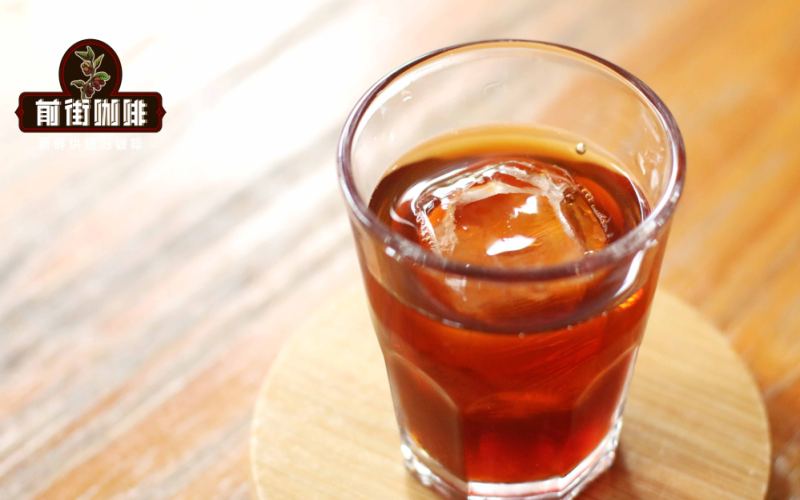
What Is Cold Brew Coffee? Bean Selection Approach and Four Medium-Light Roast Beans Recommended for Cold Brew
Cold brew coffee appears extremely frequently in specialty coffee shops, capturing many enthusiasts with its refreshing, sweet, and non-bitter taste. Its principle is to soak coffee grounds in cold water for a long time; in a low-temperature environment, large-molecule bitter substances are not easily released, while the sweet and sour flavors can instead be fully brought out, so the final product is fuller and cleaner than pour-over. To make good-tasting cold brew, bean selection is a key step: medium-dark roasted beans tend to leave only roasting bitterness, while medium-light roasted beans with floral and fruity notes can present layered sweet and sour sensations. In addition to explaining the extraction logic of cold brew clearly, this article will also provide four specific bean selection directions, including Front Street Coffee washed Gidding, sun-dried Huakui, Strawberry Candy, and Little Tomato, and explain practical information such as freshness, roasting date, and purchasing channels. [more…]
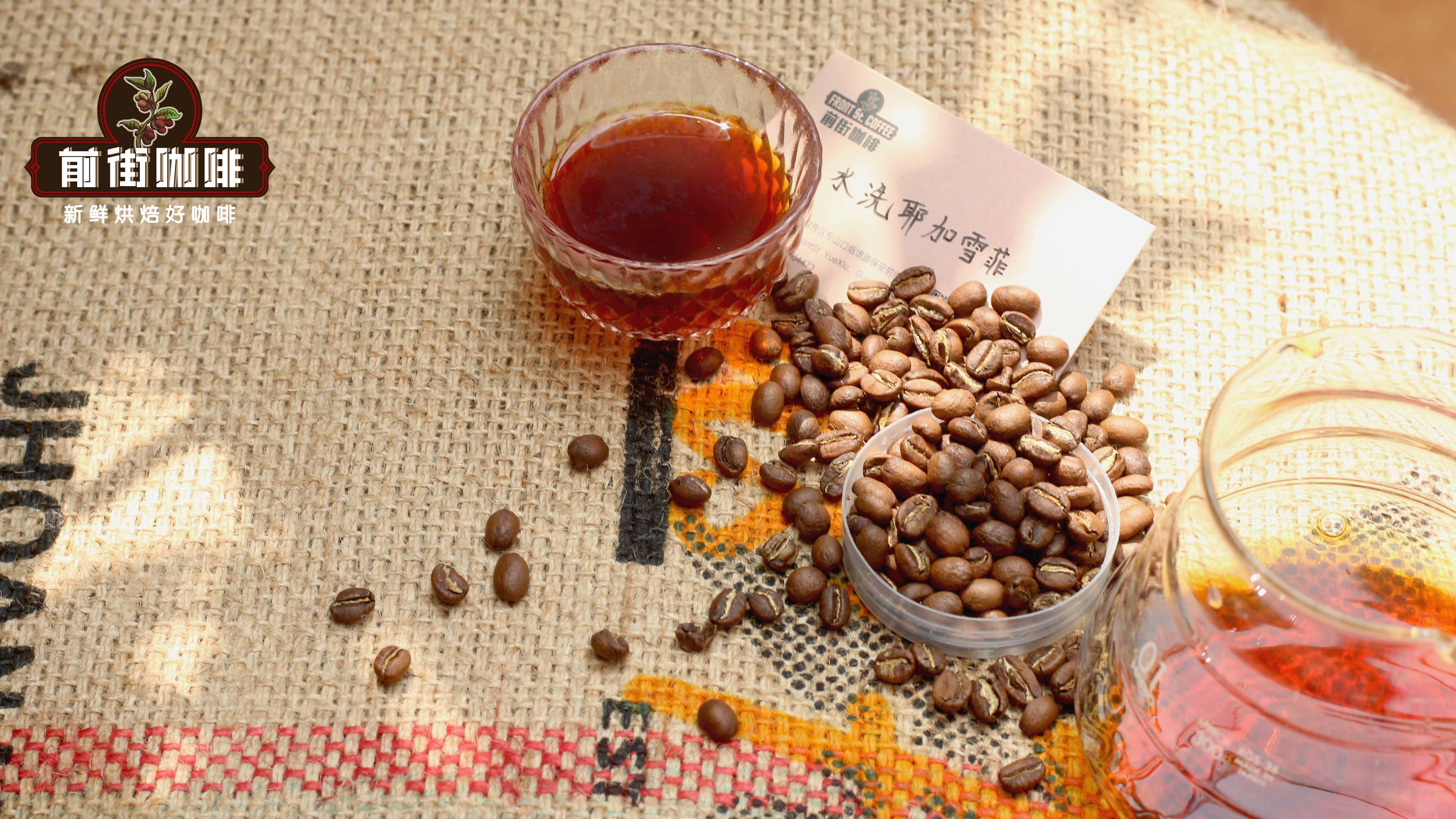
A Complete Guide to Coffee Roast Levels: Flavor Differences from Light to Medium-Dark Roast and Bean Selection Guide
The roast level of coffee directly influences the flavor expression in the cup, from the bright fruit acidity of light roasts to the rich chocolate notes of medium-dark roasts, each roast level has its unique charm. This article systematically introduces four roast levels: light roast, medium-light roast, medium roast, and medium-dark roast, covering the appearance characteristics, bean discharge temperature, Agtron value range, and flavor performance of each roast level. At the same time, for each roast level, it recommends representative coffee beans from the Front Street brand, helping coffee enthusiasts choose suitable coffee beans and brewing methods according to their personal taste preferences. [more…]
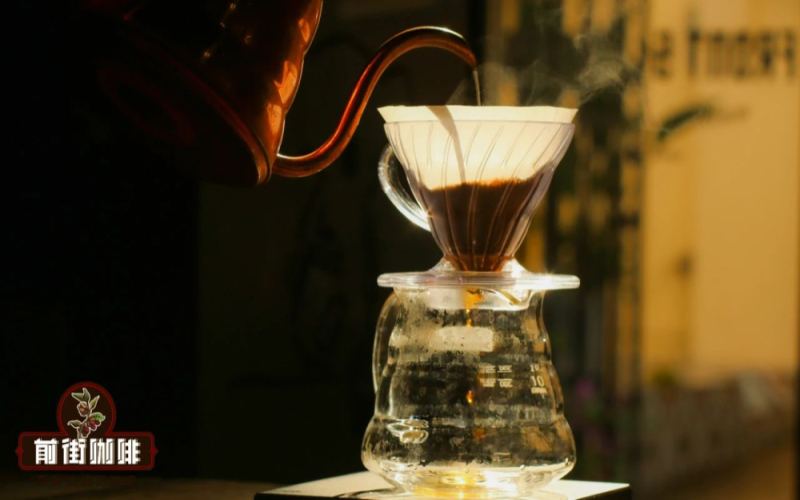
A Guide to Floral Aromas in Light Roast Coffee: From Bean Selection to Aroma, Learn to Capture the Floral Notes in Your Cup
The pleasure of coffee goes far beyond simply waking you up—it hides in the layered, intricate details of aroma. Floral notes are one of the most recognizable flavors in specialty coffee, closely tied to variety, origin, processing method, and roast level, with light-to-medium roasts especially able to lock in this delicate fragrance. Starting with bean selection, this article introduces six representative Front Street Coffee floral coffee beans and systematically explains a complete tasting method from dry aroma to wet aroma to finish, helping coffee lovers learn to capture that hint of blossom in the cup and truly open the door to the world of specialty coffee flavors. [more…]
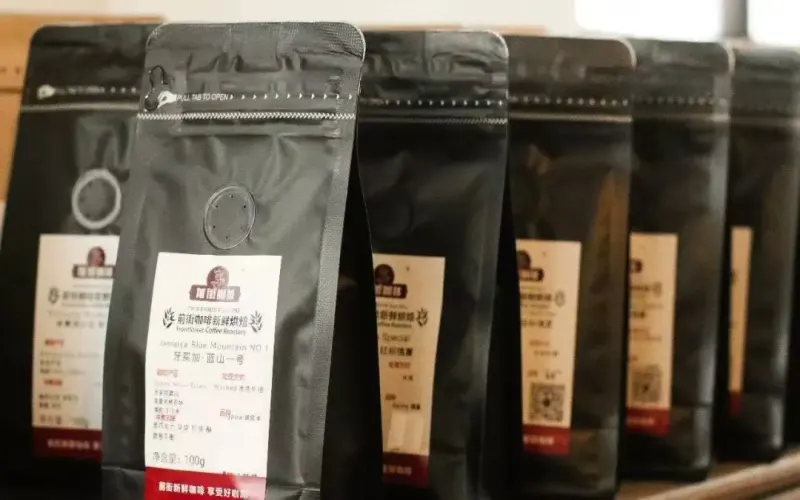
How do you choose hand-brewed coffee beans with a fresh, clean flavor? Flavor characteristics and bean selection approach for Yirgacheffe Gutingding
To enjoy a cup of pour-over coffee with a fresh flavor and clean mouthfeel, there are actually discernible guidelines when choosing beans. The degree of roast, the processing method, and the terroir of the growing region are the three key factors that determine the direction of a coffee's flavor. A light roast preserves more organic acids and delicate aromas, while the washed process makes the fermentation level of the coffee beans more controllable, and the regions of Africa and Central and South America are especially concentrated sources of fresh-flavored beans. Based on Front Street's bean-selection experience, this article lays out a practical approach to choosing coffee beans with high cleanliness and a fresh flavor, and recommends specific qualifying beans such as Front Street Yirgacheffe·Gedeb and Front Street Wander Estate·Washed Geisha, suitable for both pour-over and cold brew preparation. [more…]
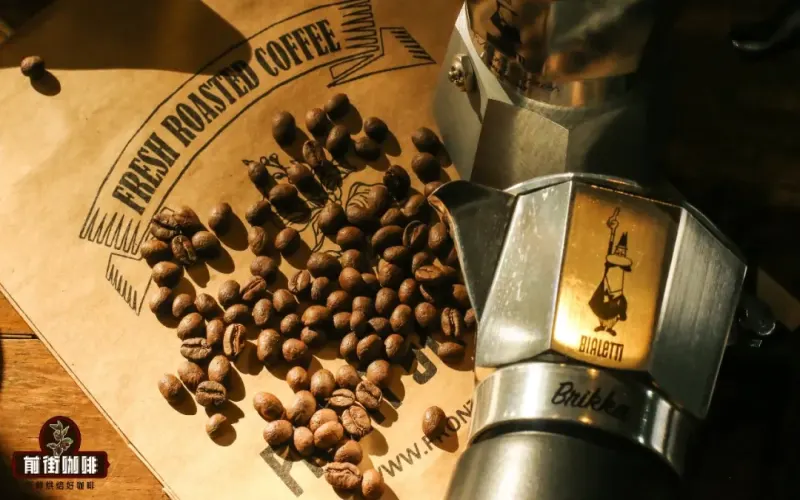
Key Moka Pot Operation Points and Coffee Bean Selection Guide: Which Is More Suitable—Light, Medium, or Dark Roast?
Since its introduction in 1933, the moka pot has become a daily choice for many coffee lovers thanks to its simple and efficient brewing method. It works by heating the lower chamber to generate steam pressure, which pushes hot water through the bed of ground coffee to complete the extraction. Precisely because of its simple structure, the step of choosing beans is all too easily overlooked. This article offers purchasing advice for moka pot coffee beans from three angles—roast level selection, freshness assessment, and brand reputation—and, for different flavor preferences, recommends specific products such as Front Street Coffee's Classic Blend, Golden Mandheling, Strawberry Candy Espresso Blend, and Basic Espresso Blend, to help you make a cup of moka pot coffee at home with rich crema and a balanced taste. [more…]

The Complete Guide to Making Cold Brew Coffee: Detailed Steps from Bean Selection to Refrigerated Fermentation and Front Street Flavor Recommendations
Cold brew coffee, with its refreshing taste and rich layers of flavor, has become a favorite among many coffee lovers. To make a delicious cold brew, every step is crucial, from choosing the coffee beans to controlling the drip rate. This article starts with the principles of bean selection and, combined with recommendations for several Front Street Coffee beans, explains in detail the process of making cold brew coffee, including the ratio of coffee grounds to water to ice, techniques for using filter paper, drip rate control, and the refrigeration and fermentation time required. Whether you are a beginner just getting into cold brew or an advanced brewer looking to improve your output quality, you will find practical guidance in this guide. [more…]
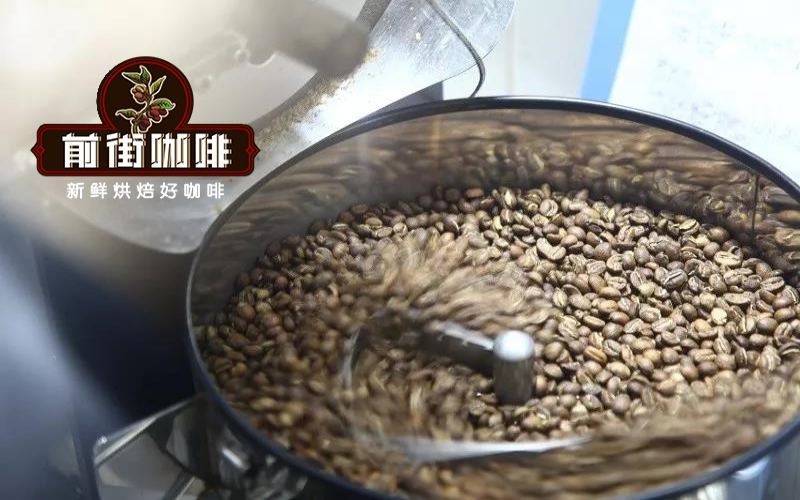
An Analysis of the Flavor Differences Between Light, Medium, and Dark Roasted Coffee Beans: Medium Roast Flavor Characteristics and Bean Selection Strategies for a Cup That Is Neither Sour Nor Bitter
The roast level of coffee beans directly influences the flavor direction in the cup. The darker the roast, the more the acidic compounds are destroyed, and caramel, smoky, and bitter notes gradually take over; the lighter the roast, the easier it is to preserve bright fruit acidity and floral aromas. For coffee lovers who neither like too much acidity nor want to taste bitterness, a medium roast is often the more balanced choice. So what flavor characteristics does medium-roast coffee actually have? And how do you distinguish between medium-light and medium-dark roasts? This article starts from the principles of roasting, combines them with the first crack milestone, sorts out the flavor differences among light, medium, and dark roasts, and offers specific Front Street Coffee bean recommendations to help you find the cup that suits you between acidity and bitterness. [more…]
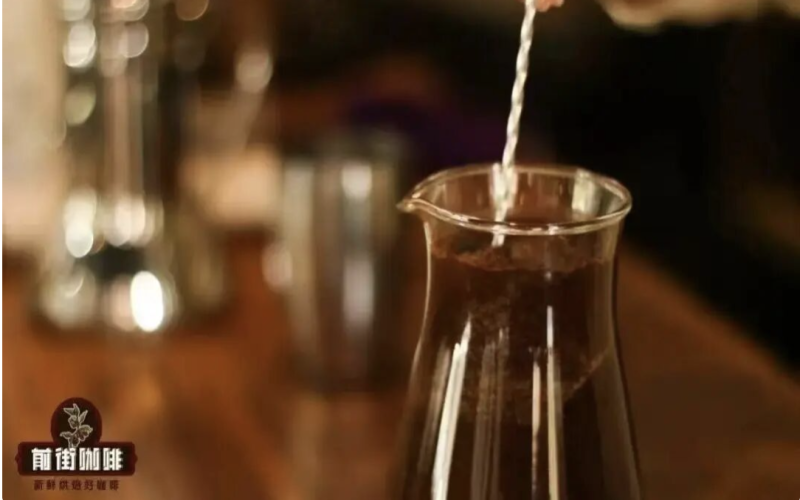
Advanced Cold Brew Bean Selection: How to Read Origin, Processing Method, and Roast Level
After trying a few cold brews, many people ask: with the same method, why do some cold brews taste like fruit juice while others taste like cold bitter water? The answer isn't in the method, it's in the beans. Today, we'll cover cold brew bean selection thoroughly in one go, from three dimensions: origin, processing method, and roast level. Origin determines the flavor baseline. Coffee beans from different origins have flavors [more…]

Fruity and floral notes aren't just for light roasts: a bean selection approach for three roast levels
喜欢花香、果香,不必只盯着“浅烘”两个字。烘焙程度会重新安排一支豆子的香气、酸甜和口感:浅烘更像刚切开的水果与鲜花,中烘常把果味推向熟甜,深一些则可能留下果干、可可和焦糖气息。先决定想要清亮还是浓郁, [more…]
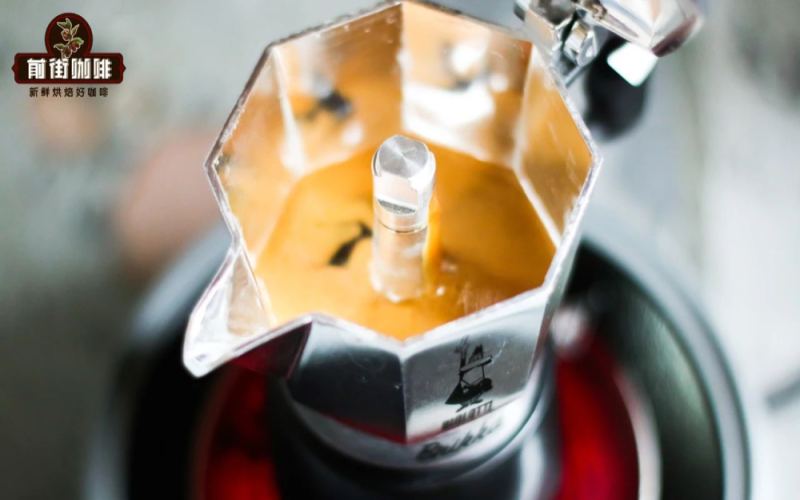
Moka Pot vs. Espresso Machine Bean Selection Guide: Light Roast or Dark Roast? Front Street Practical Blends and SOE Recommendations
For those who are just getting into moka pots or espresso machines, choosing the right coffee beans is often the key to determining the quality of the final cup. The extraction method, grind size, and bean freshness all affect the final flavor, but the quality of the beans and the roasting direction are the foundation. Starting from the principles of crema formation and freshness requirements, this article systematically sorts out the logic for choosing espresso blends and SOE single origins, and offers a number of Front Street Coffee recommendations that are affordable, rich, and delicious, helping you consistently make a satisfying cup of espresso at home. [more…]

Coffee Machine Bean Selection Guide: From Light to Dark Roast, Find Your Perfect Taste
Espresso machines brew quickly and at high pressure, so the roast level of the coffee beans directly affects the acidity, sweetness, aroma, and body on the palate. If you enjoy bright fruity notes, start with a light or light-to-medium roast; if you prefer nutty, cocoa, and smooth flavors, a medium to medium-dark roast is easier to get used to; and if you often drink lattes or cappuccinos, you can focus your attention [more…]
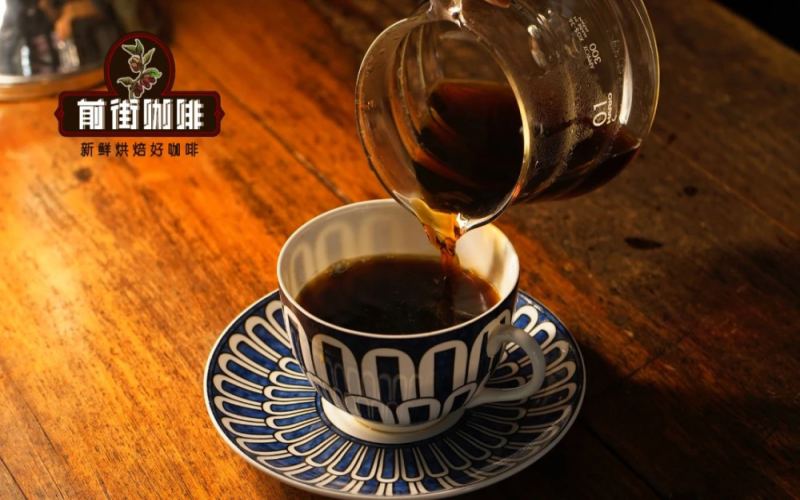
How Much Caffeine Is in Dark Roast Coffee Beans? A Selection of Dark Roast Black Coffees Worth Trying
The acidity and bitterness of coffee are closely related to the roast level, but is it true that dark-roasted beans contain more caffeine? This is a topic often discussed among coffee enthusiasts. In this article, Front Street Coffee first systematically outlines the eight roast stages from light to extremely dark and their flavor characteristics, then, combining specific origins with actual cupping experience, recommends three representative dark-roasted coffee beans—Golden Mandheling, Colombia Huila, and Brazil Queen Estate. Whether you prefer a rich, bitter profile or want to understand the logic of selecting dark-roasted beans, this content will help you build a clear cognitive framework and find the one that suits your taste. [more…]
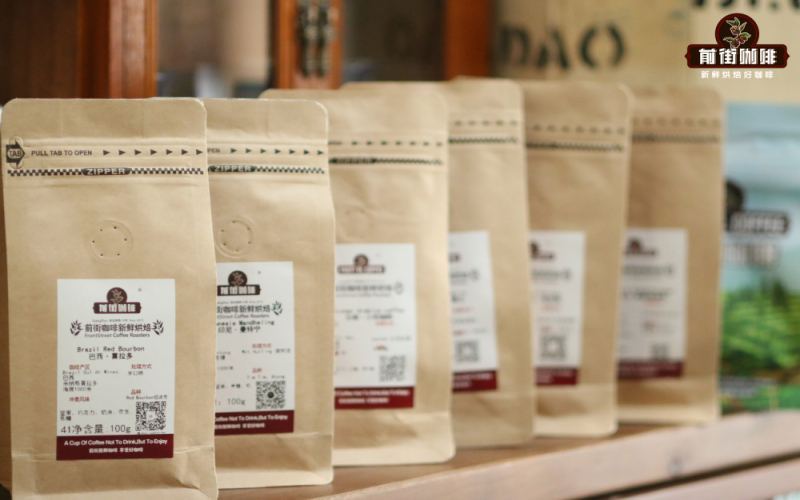
Coffee Bean Roast Level Selection Guide: From Light Roast to Espresso, Analyzing Flavor Differences and Brewing Recommendations
Faced with a dazzling array of coffee beans, have you ever found it hard to choose because you don't understand roast levels? Although Front Street Coffee's bean bag labels do not directly state the roast level, they cleverly hint at the answer through flavor descriptions. This article systematically sorts out the eight key stages from light roast to Italian roast, using Agtron color values, roast timing, and flavor characteristics to help you pinpoint the acidity, sweetness, and bitterness profile you enjoy. At the same time, Front Street also shares how to infer the roast level in reverse from flavor descriptions, and provides brewing parameters for medium-light and medium-dark roasts, so you can easily recreate a cup of coffee to your liking at home. [more…]
Light Roast or Dark Roast? The Bean Selection Logic for Pour-Over Beginners
When you first start buying hand-brewed coffee beans, roast level is a very practical entry point to observe. It affects the coffee's sweet-and-sour expression, aroma type, mouthfeel weight, and brewing fault tolerance. When faced with descriptions on the packaging such as floral, fruity, nutty, or caramel, you can first judge whether the beans are light roast, medium roast, or dark roast, and then think about what kind of cup you want to drink. [more…]
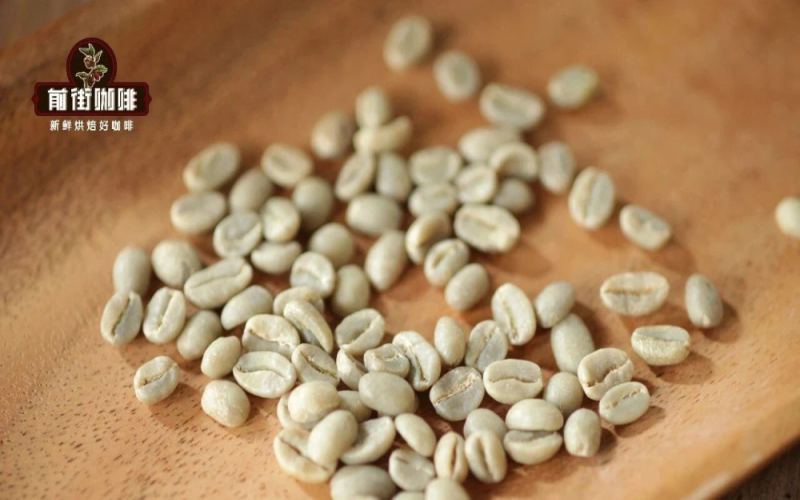
How Does Coffee Roast Level Shape Flavor? A Detailed Guide to SOE Single-Origin Bean Selection Logic and Recommendations
Roasting is the key stage that determines coffee flavor; among green beans, roasting, and extraction, roasting accounts for as much as thirty percent. Starting from the Maillard reaction and caramelization, this article sorts out how the three roast levels—light, medium, and dark—affect the balance of acidity and bitterness and the expression of aroma, then analyzes why SOE should not blindly pursue either light or dark roasting, and offers recommendations for four single-origin coffee beans suitable for making espresso. Whether you are an enthusiast just getting into SOE or a professional looking to refine your approach to bean selection, you can find useful criteria for judgment here. [more…]
A Bean Selection Guide for Italian-Style Milk Coffee: How to Choose Between Single-Origin, Blends, and SOE, Plus Key Points for Making a Latte
As the most widely consumed coffee beverage, latte is not only the sales driver for cafés but also the go-to choice for many enthusiasts starting out with espresso. However, when faced with the dazzling array of coffee bean products on the market, should you use single-origin, blend, or SOE to make espresso-based milk coffee? What kind of flavor performance do different roast levels and processing methods bring? This article will start from the definition of latte, sort out the logic for choosing espresso beans versus pour-over beans, analyze the flavor differences between dark-roast blends and light-roast SOE, and, combined with Front Street Coffee's specific bean list cases, provide production suggestions for medium-roast or flavor-oriented single-origin beans, helping readers find the latte bean solution that best suits their own taste. [more…]
Coffee Beginner's Bean Selection Guide: From Purchasing Channels and Roast Level to Freshness Date, Three Steps to Pick the Right Everyday Beans for You
Those just starting to explore pour-over or espresso coffee often feel overwhelmed by the dazzling array of coffee beans on the shelf. In fact, choosing beans isn't as complicated as it seems—just grasp three key dimensions, and you can greatly reduce the odds of a bad pick. This article approaches the topic from three angles: purchasing channels, roast level, and freshness date, to help you sort out your thinking: where it's more reliable to buy, what flavors suit light, medium, and dark roasts respectively, and why the roast date deserves more attention than the expiration date. The article also draws on Front Street Coffee's specific product line to offer bean-selection references for different roast levels, so even beginners can easily find a tasty yet affordable everyday staple. [more…]
An Analysis of Flavor Differences Between Light, Medium, and Dark Coffee Bean Roasts: Taste Characteristics and Selection of Specialty Coffee at Different Roast Levels
Green coffee beans themselves have no obvious aroma or flavor; only through roasting can they release their alluring flavors. Roasting time, temperature, method, and even the roaster's experience all have a subtle impact on the final taste in the cup. From light to dark roast, coffee beans differ in color, acid-bitterness balance, and aroma layers, and the suitable brewing methods and drinking preferences vary greatly. In this article, Front Street Coffee will systematically sort out the flavor differences among light, medium, and dark roasted coffee beans, and, combined with specific origin cases, explain how roasters choose curves based on bean characteristics, as well as the effects of different roast levels on coffee chemical compounds and the final taste, helping coffee enthusiasts more clearly understand the relationship between roasting and flavor. [more…]
Choosing Authentic Blue Mountain by Roast Level: A Bean Selection Method from Light and Sweet to Rich and Full-Bodied
A cup of authentic Jamaican Blue Mountain doesn't have to take the intense, bitter route. Its allure often lies in the balance between soft acidity, delicate sweetness, clean aroma, and a smooth mouthfeel. When the roast level changes, the flavor focus of Blue Mountain shifts as well: a light roast is brighter, a medium roast is more rounded, and a dark roast is fuller-bodied. When the budget is limited, first [more…]
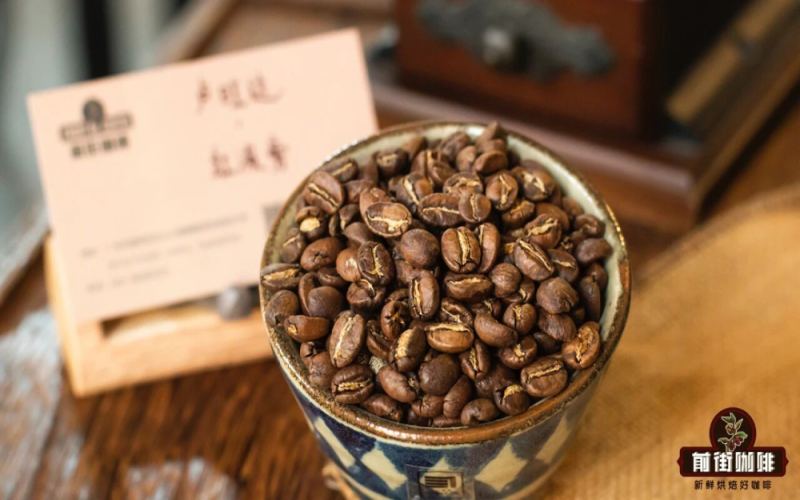
Coffee Beginner's Bean Selection Guide | What to Pay Attention to When Choosing Single-Origin Coffee Beans? Recommendations for Floral and Fruity Light-Roast Specialty Pour-Over Coffee Beans
For many friends who are just getting into coffee, deciding which coffee beans to buy can be quite difficult. There are many brands on the market, so which brand of coffee beans is more suitable for you or better? First step: understand your own preferences. Because during the roasting process of coffee beans, flavor compounds are constantly under [more…]